
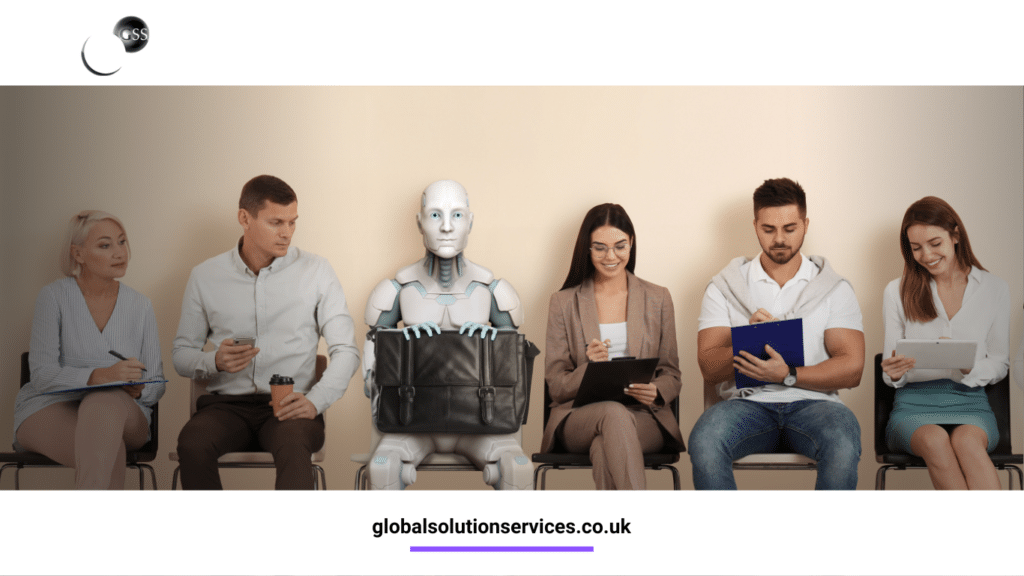

Artificial intelligence is no longer something that belongs only to the future or to technical professions. In 2026, AI plays a visible role in how people search for jobs, how employers recruit, and how work itself is organised. For adult learners, this shift has changed what it means to be employable. Confidence with modern tools, including AI, is now closely linked to career progression, alongside the human skills that technology cannot replace.
Research from the UK Government shows that roles involving AI are growing rapidly, while many existing jobs are becoming “AI-adjacent”, meaning they now involve working alongside intelligent systems rather than being replaced by them. This means that for adult learners, employability is less about becoming an AI specialist and more about understanding how AI affects everyday tasks, recruitment processes and workplace expectations.
What Employers Mean by “AI Skills” Today
One of the biggest misconceptions around AI is that people need advanced technical knowledge to keep up. In reality, most employers are looking for something much more practical. AI skills in 2026 usually refer to basic AI literacy. This includes understanding what AI tools can and cannot do, using them responsibly, checking outputs for accuracy and applying them to real-world tasks.
LinkedIn’s research into skills demand shows that AI literacy is one of the fastest-growing skill requirements across a wide range of roles, including administration, customer service, marketing, HR and management. This reflects a broader shift where digital confidence has become as essential as email or online applications once were.
For adult learners, this is encouraging news. It means that building employability does not require starting from scratch. Instead, it involves learning how to apply existing experience using modern tools.
How AI Is Changing the Job Search Process
AI now influences many stages of recruitment. Employers increasingly use digital systems to organise applications, analyse CVs and structure interview processes. While not every organisation uses fully automated screening, AI-enabled tools are becoming more common, particularly in larger organisations.
Understanding this helps jobseekers make better decisions. When people know how job descriptions are structured and how systems interpret skills and experience, they can present themselves more clearly. This is where AI awareness becomes a practical employability skill rather than a technical one.
AI tools can also support jobseekers directly. When used correctly, they can help individuals refine CVs, prepare interview answers and analyse job roles more effectively. However, the real skill lies in knowing how to guide these tools, review outputs critically and ensure that applications remain personal, accurate and authentic.
Why AI Skills Matter More for Adult Learners
Adult learners often bring strengths that are increasingly valuable in an AI-shaped labour market. Experience, judgement, communication and reliability are qualities that technology cannot replace. When these strengths are combined with basic AI confidence, employability improves significantly.
Research from the World Economic Forum suggests that roles requiring both human and digital skills are growing faster than those relying on technical expertise alone. Employers continue to value people who can think critically, communicate clearly and adapt to change. AI does not remove the need for these abilities. In many cases, it makes them more important.
For adult learners returning to work, changing careers or navigating redundancy, AI awareness can reduce anxiety and increase confidence. Instead of seeing technology as a barrier, learners begin to view it as a tool that can support their goals.
Using AI to Build Job Search Confidence
Confidence is often one of the biggest challenges people face when seeking work later in life. AI can play a helpful role here, particularly when combined with guidance and support.
AI tools can help individuals clarify their career direction by identifying transferable skills and matching experience to potential roles. They can also be used to practise interview answers, structure responses more clearly and improve how experience is described. This repeated practice helps many learners feel more prepared and less anxious about interviews.
However, confidence grows most when learners understand why something works, not just how to generate content. That is why guided learning, rather than self-directed use of AI alone, is so important.
Why Webinar Learning Works So Well for AI Skills
Webinars have become one of the most effective ways for adult learners to build confidence with AI. They provide structured learning without the pressure of a classroom environment and allow people to engage at their own pace.
OECD research highlights the importance of flexible, short-format learning for adults, particularly those balancing work, caring responsibilities or health considerations. Webinars meet this need by focusing on practical outcomes rather than theory.
In the context of AI, webinars allow learners to see tools in action, ask questions in real time and understand how to apply learning safely and ethically. This format helps demystify AI and makes learning feel achievable rather than overwhelming.
The Value of Combining Webinars with 1-to-1 Careers Advice
While webinars are powerful, they work best when combined with personalised careers guidance. Learning how AI works is only useful if it connects to an individual’s goals, circumstances and aspirations.
Through National Careers Service delivery, Global Solution Services offers both webinars and 1-to-1 careers advice. This approach allows learners to apply what they learn in webinars to their own situation, whether that involves refining a CV, preparing for interviews or planning a career transition.
Careers advisers help learners reflect on their strengths, identify realistic pathways and build a clear plan. This combination of learning and guidance turns knowledge into action and supports sustained progress.
Preparing for Employability in 2026 and Beyond
The future of work will continue to evolve, but the core principles of employability remain consistent. Employers still look for people who communicate well, learn continuously and adapt to change. AI simply raises expectations around digital confidence.
UK employer surveys show that many organisations are still developing their AI capability. This creates an opportunity for individuals who understand how to use AI responsibly and effectively, even at a basic level. For adult learners, this means that staying relevant is achievable through practical learning rather than radical reinvention.
How GSS Supports Adult Learners
At Global Solution Services, we support adult learners through careers advice and employability training delivered via the National Careers Service. Our support includes live webinars and personalised 1-to-1 guidance designed to build confidence, develop practical skills and support informed career decisions.
Whether you are returning to work, changing careers or preparing for the future of work, our programmes focus on helping you understand modern recruitment, strengthen employability and move forward with clarity.
To find out more about careers advice and upcoming webinars, contact GSS on 0333 242 2175 or email info@globalsolutionservices.co.uk.